Texas farmers face rising costs as fertilizer prices surge amid Gulf blockade
Texas agriculture is bracing for a tough season as global fertilizer prices soar in the wake of a blockade in the Strait of Hormuz. While the immediate headlines focus on oil and gas, the deeper impact is unfolding in the fields of Texas, where farmers are struggling to afford the inputs needed to grow staple crops and summer produce.
Fertilizer Shock Hits Home
Urea fertilizer, once priced at around $460–$480 per ton, has climbed to nearly $700 — a 45% increase. Even though the United States produces much of its own fertilizer, global market dynamics mean Texas farmers are paying the same inflated rates. For crops like watermelons and cantaloupes, which rely heavily on fertilizer, the spike could make cultivation too costly, threatening availability and raising prices for consumers.
Shifts in Planting Decisions
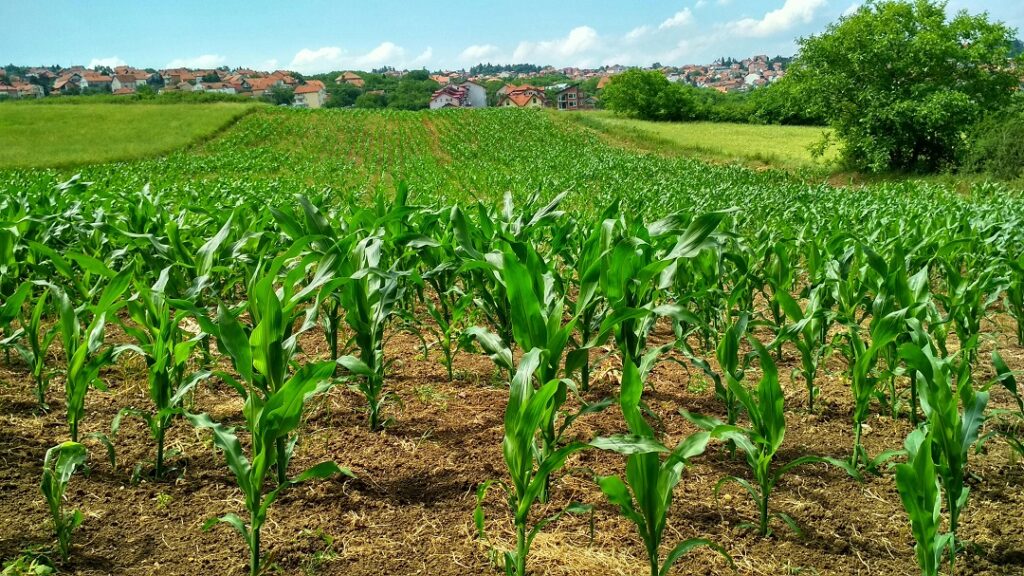
The rising costs are already reshaping planting strategies. Farmers are moving away from fertilizer-intensive crops such as corn and turning to soybeans, which require fewer inputs. This shift could alter the mix of produce available in Texas markets and beyond, with ripple effects on food prices throughout the summer.
Global Dependencies, Local Consequences
The blockade doesn’t just affect nitrogen-based fertilizers. Sulfur — half of the world’s supply passes through the Strait — is critical for phosphate fertilizer production. Without steady imports, U.S. plants face disruptions, further tightening supply. Despite domestic resources, Texas agriculture remains tied to international supply chains, leaving local farmers vulnerable to global shocks.
Consumers Brace for Higher Prices
The immediate pinch is seen in fuel and shipping costs, but the fertilizer crisis will unfold more gradually. By mid-year, grocery shoppers in Texas could see higher prices for fruits, vegetables, and processed foods. Families already navigating tight budgets may feel the strain most acutely during the summer harvest season.
Outlook
The situation highlights how deeply Texas agriculture is linked to global markets. What begins as a geopolitical standoff in the Gulf quickly translates into higher costs at the farm gate and, ultimately, at the grocery store. For Texas farmers and families alike, the fertilizer shock is a reminder that food security is inseparable from global stability.