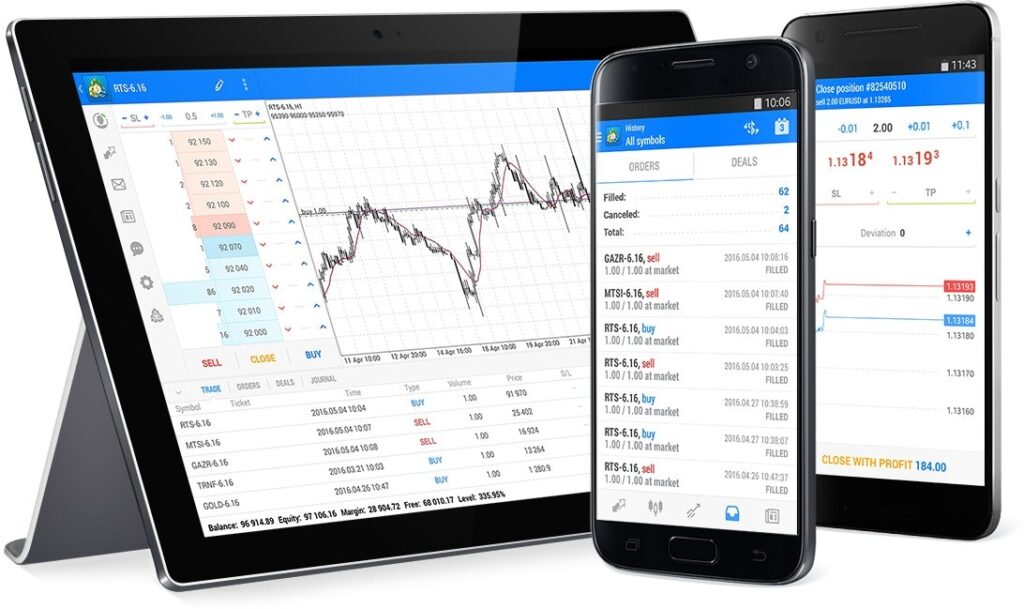
Ever looked at those stock trading apps and felt a wave of confusion? You see the charts, the flashing numbers, the headlines about people making money… but for you, it feels like trying to read a map in a foreign language.
You’re not alone. Every single expert investor started exactly where you are right now: at the beginning, wondering how any of this actually works.
The good news? Getting started is simpler than it looks. This guide will walk you through it, step-by-step, in plain English. No confusing jargon, no pressure. Just a clear map of the landscape, so you can take that first, confident step.
Part 1: Before You Even Open an App, Ask This
Jumping straight into picking a platform is like buying a car without knowing if you need a minivan or a sports car. Let’s figure out what you need first.
· What’s your “Why?” Are you saving for retirement 30 years from now? A house in 5 years? Or just learning the ropes with some spare cash? If it’s for a goal less than 5 years away, a high-yield savings account might be safer. The stock market is for the long haul.
· What’s your risk comfort? Here’s a simple test: If you invested $1,000 and saw it drop to $700 next month, would you panic and sell, or could you ride it out? Be honest. Your answer will guide how you invest.
· The Golden Rule: Before you invest a single dollar in stocks, make sure you have a safety net. That’s 3-6 months’ worth of everyday expenses sitting in a regular savings account. This is your emergency fund. It’s not exciting, but it’s what lets you invest and sleep soundly at night.
Part 2: The Simple Map of How It All Works
Forget the complex terms for a minute. Think of online trading like a super-powered farmers market for pieces of companies.
You (the customer) use an app on your phone (the shopping cart & catalog) to tell a professional buyer, called a broker (the company behind the app), what you want. The broker then goes to the official stock exchange (the actual farmers market), buys the item for you, and puts it in your account. A few days later, a behind-the-scenes office (the clearinghouse) makes sure the item is officially in your name and the money is sent to the seller.
That’s the core loop: You -> App -> Broker -> Exchange -> Your Account.
Part 3: What Really Happens When You Click “Buy”
Let’s make it even more real. Say you decide to buy one share of a company, like Apple.
- You Fund Your Account: You transfer $200 from your bank to your new trading app.
- You Place an Order: You search “AAPL,” see it’s at $170 per share, and click “Buy.”
· You’ll see two main options:
· Market Order: “Buy it for me right now at whatever the current best price is.” (Simple and fast).
· Limit Order: “Only buy it for me if the price hits $165 or lower.” (Gives you control, but might not execute). - The Behind-the-Scenes Magic: Your app sends your order to the broker, who rushes it to a stock exchange. The exchange finds someone who wants to sell one share of Apple at that price and matches you two up.
- Confirmation: Seconds later, you get a notification: “Order Filled. You bought 1 share of AAPL at $170.”
- Settlement: Over the next two business days, the digital paperwork is finalized. The share is officially yours, and your $170 is sent to the seller.
Part 4: Picking Your First Platform – It’s About Fit
You don’t need the “best” platform. You need the one that fits a beginner like you. Here’s what actually matters:
· Fees: Most charge $0 per trade. But watch for other fees on accounts or transfers.
· Ease of Use: Is the app clean and simple, or cluttered with data?
· Help & Education: Do they have good articles, videos, or courses for beginners?
· Minimums: Can you start with $50, or do you need $1,000?
· Safety Net: Are they a real, regulated company? In the U.S., look for SIPC insurance (it protects your cash and securities if the broker fails, like the FDIC for banks).
A Quick Guide to Trusted Starting Points:
· If you want it stupid-simple: Try Robinhood or SoFi Invest. They’re built for phones, let you buy tiny pieces of shares (fractional shares), and are very easy to navigate.
· If you want a trusted guide for the long journey: Go with Fidelity or Charles Schwab. They’ve been around forever, offer incredible free research and learning tools, and can be your home for everything from your first stock to your retirement account. They feel more substantial.
· If you want to set it and forget it: Look at Betterment or M1 Finance. You tell them your goal, and they automatically build and manage a diversified portfolio for you. Great for hands-off beginners.
(Remember: This is not official financial advice. It’s a summary to help you start your own research. Always read the fine print on any platform’s website.)
Part 5: Your First Trade – Let’s Walk Through It
Feeling nervous about that first click? Let’s simulate a classic, smart first move for a beginner.
Many experts suggest starting with an ETF—a single fund that holds hundreds of companies, like the S&P 500. It’s instant diversification in one package. Let’s say you choose VOO (an S&P 500 ETF).
- You’ve opened your account and deposited $100.
- You search “VOO.”
- Instead of a market order, you might try a limit order. You see the price is $450. That’s more than your $100! But with fractional shares on most new platforms, you can type: Buy $100 worth of VOO.
- You set a limit price of $451 (just above the current price to ensure it goes through) and click “Submit.”
- Done. You now own a small piece of 500 of America’s biggest companies. You’ve made your first investment.
Part 6: The Non-Negotiables – Safety First
Before you go live, do these two things on any platform you choose:
- Turn on Two-Factor Authentication (2FA). This means after entering your password, you’ll need a code from your phone to log in. It’s the single biggest lock on your digital front door.
- Beware of scams. Your broker will never email or call asking for your password. If you get a suspicious message, contact their official support directly.
Part 7: What Comes After the First Trade
You did it! Now, shift your mindset from “trader” to “owner and learner.”
· Don’t Obsess, Just Check In. Resist the urge to look at your portfolio ten times a day. Once a week is plenty. The market goes up and down; focus on the long-term trend.
· Learn from Your Move. Why did your ETF go up or down this week? Read one business news article about it. The goal is to slowly understand the “why.”
· Avoid the Classic Beginner Traps:
· Chasing Hot Stocks: Don’t buy something just because it’s shooting up. That’s how you buy high and sell low.
· Trading Too Much: You’re investing, not gambling. Constant buying and selling runs up fees and taxes.
· Putting All Eggs in One Basket: That’s why we started with an ETF. Diversification is your best friend.
Your Simple Action Plan
- Set Your Goal: Why are you doing this? Write it down.
- Pick a Platform: Based on the guide above, choose one that fits your style and open an account. You can even open a practice/demo account first to play with fake money.
- Fund It & Secure It: Transfer a small, comfortable amount of money you won’t need. Then, TURN ON 2FA.
- Make Your First Trade: Buy a fractional share of a broad-market ETF. Celebrate the milestone!
- Schedule Your Learning: Block 20 minutes a week to read one article on Investopedia or watch a video from a trusted educator like “The Plain Bagel” on YouTube.
Starting is the hardest part. You’ve just equipped yourself with the knowledge to do it wisely. The journey of a thousand miles begins with a single, informed step. Take yours today.