AstraZeneca deepens China bet with $15 billion investment, weight-loss drug deal ahead of NYSE listing
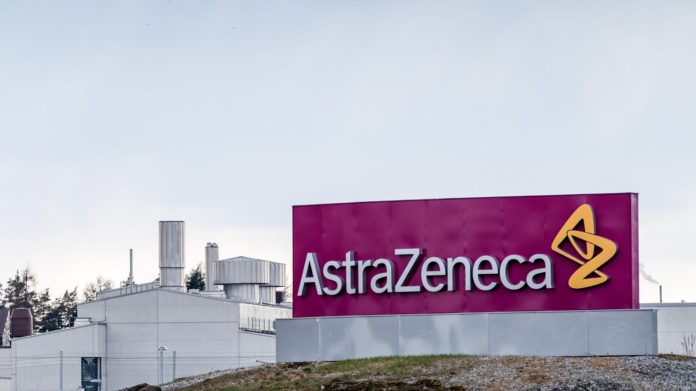
LONDON: AstraZeneca AZN.L is making a multi-billion dollar push into China, announcing a major investment and a new obesity drug partnership, as it prepares for a high-profile U.S. stock listing that underscores the pharmaceutical giant’s delicate balancing act between its two most critical markets.
The British drugmaker said on Thursday it plans to invest $15 billion in China through 2030 to expand manufacturing and research, coinciding with a visit by UK Prime Minister Keir Starmer.
A day later, it unveiled a deal with Hong Kong-listed CSPC Pharmaceutical 1093.HK to license eight preclinical and early-stage obesity drug candidates, including a potential once-monthly injectable.
The flurry of announcements comes just before AstraZeneca shares begin trading on the New York Stock Exchange on Monday, ending its American Depository Receipt program in pursuit of a broader U.S. investor base.
The moves highlight the competing pressures on global pharmaceutical firms: they must court the lucrative U.S. market while simultaneously scrambling to China for the innovation needed to replace blockbuster drugs losing patent protection.
“The U.S. and China will be the two most important regions for the company for the foreseeable future,” Camilla Oxhamre, portfolio manager at Rhenman & Partners, told CNBC.
Under the agreement with CSPC, AstraZeneca will pay $1.2 billion upfront and could pay over $17.3 billion more in milestone payments, a company spokesperson confirmed. CSPC shares fell 10.2% on the news.
AstraZeneca framed its broader $15 billion China investment as a deepening of its decades-long presence. “These investments span the value chain, from drug discovery and clinical development to manufacturing, and bring Chinese innovation to the world,” the company said.
The commitment is particularly symbolic given recent tensions. Last year, Chinese regulators launched several probes into AstraZeneca over unpaid import duties. Rajesh Kumar, head of European life sciences equity research at HSBC, said the investment sends a clear signal.
“When they decide to list in the U.S., there would always be a question about the commitment in the minds of some to China… So they are, in effect, telling you very clearly that they are committed to China by this action,” Kumar said.
China is AstraZeneca’s second-largest market, and Oxhamre noted it would “continue to grow in importance over time, both in terms of revenue and research.”
Eastward Innovation Shift
AstraZeneca’s pivot reflects a broader industry trend. With a wave of key drugs facing patent expiry and U.S. pricing pressures intensifying, Western pharma is increasingly looking to China’s burgeoning biotech sector for new assets.
Licensing deals between Big Pharma and Chinese biotechs surged to 57 in 2025, according to data from Biopharma Dive. In July, GSK GSK.L signed a deal with China’s Hengrui Pharma worth up to $12 billion.
“These deals demonstrate the success of China’s long-running effort to move up the biopharma value chain, from fast followers to differentiated assets that can compete globally,” PitchBook analysts wrote in a recent report.
They attribute China’s rise to a focus on next-generation therapeutics, efficient clinical trial infrastructure, and a “reverse brain drain” of scientific talent returning to the country. A June report from Harvard’s Belfer Center suggested “China has the most immediate opportunity to overtake the United States in biotechnology.”
A Delicate Balance
Monday’s NYSE listing reinforces the irreplaceable importance of the U.S., AstraZeneca’s largest market. The company is also planning a $50 billion investment in the U.S., partly to mitigate potential pharmaceutical tariffs.
The simultaneous pushes East and West represent a strategic tightrope. “It’s a balancing act,” Kumar said. “The world has changed… China was catching up with the U.S., [the] U.S. will re-accelerate. There will always be innovation coming from both geographies.”
For AstraZeneca, and its peers, the challenge is to harness innovation from China while maintaining favor in Washington, a dual imperative now firmly embedded in its investment strategy.