Reserve Bank of Australia Surprises Market with Interest Rate Hike Amidst Inflation Concerns
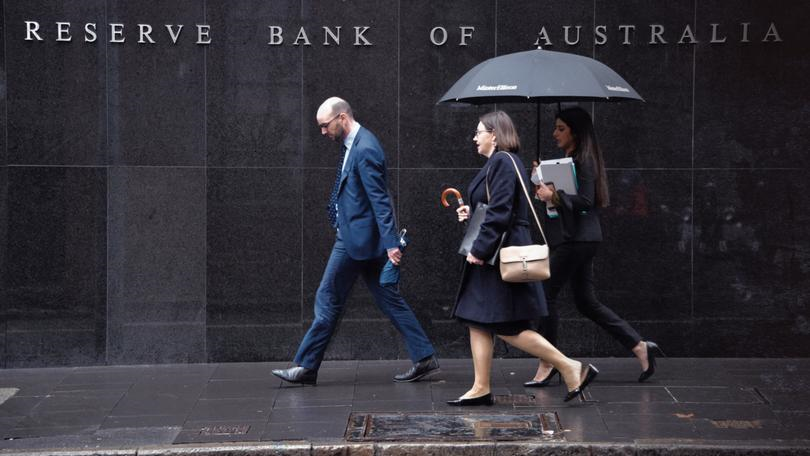
In an unexpected move, the Reserve Bank of Australia (RBA) announced a 25 basis points increase in its benchmark interest rate to 4.1% on Tuesday, defying market expectations.
Economists, polled by Reuters, had anticipated the central bank to maintain rates at their current level. The news led to a further decline in Australian stocks, with the S&P/ASX 200 trading 1% lower. However, the Australian dollar rose 0.73% to 0.6667 against the US dollar shortly after the decision.
The RBA’s decision comes as the central bank grapples with a high inflation rate of 6.8% recorded for the month of April. Reserve Bank of Australia Governor Philip Lowe acknowledged that while inflation may have reached its peak, there are indications that it will persist. The governor stated that the increase in interest rates aims to provide confidence that inflation will return to the target range of 2% to 3% within a reasonable timeframe.
Lowe expressed concerns about the risks associated with high inflation becoming entrenched in people’s expectations, which could result in a more challenging and costly situation in the future. He emphasized that if inflation expectations are not managed properly, it could necessitate even higher interest rates and lead to a rise in unemployment.
The RBA’s governor also hinted at the possibility of further rate hikes to address the nation’s inflation rate, depending on how the economy and inflation evolve. He highlighted the central bank’s commitment to closely monitor global economic developments, household spending trends, and the outlook for inflation and the labor market.
The central bank’s statement acknowledged the daunting task of achieving a soft landing for the Australian economy, particularly in the context of reining in inflation. The RBA aims to steer the economy towards the target inflation range while avoiding a recession. However, analysts, including HSBC’s Paul Bloxham, believe that achieving a soft landing is becoming increasingly challenging.
Bloxham pointed out that the RBA’s narrow pathway to a soft landing is shrinking, implying that a hard landing, potentially resulting in a slowdown, is a risk that the central bank is willing to take to combat elevated inflation levels.
The RBA’s decision to raise interest rates has surprised markets, indicating the central bank’s determination to address inflation concerns. As the situation unfolds, market participants will closely watch the impact of the rate hike on the Australian economy and whether further tightening measures will be necessary to steer inflation back within the desired range.
Bank of England hikes interest rates by 25 basis points to 4.25%
Cryptocurrency prices fall as war in Ukraine and rising interest rates weigh