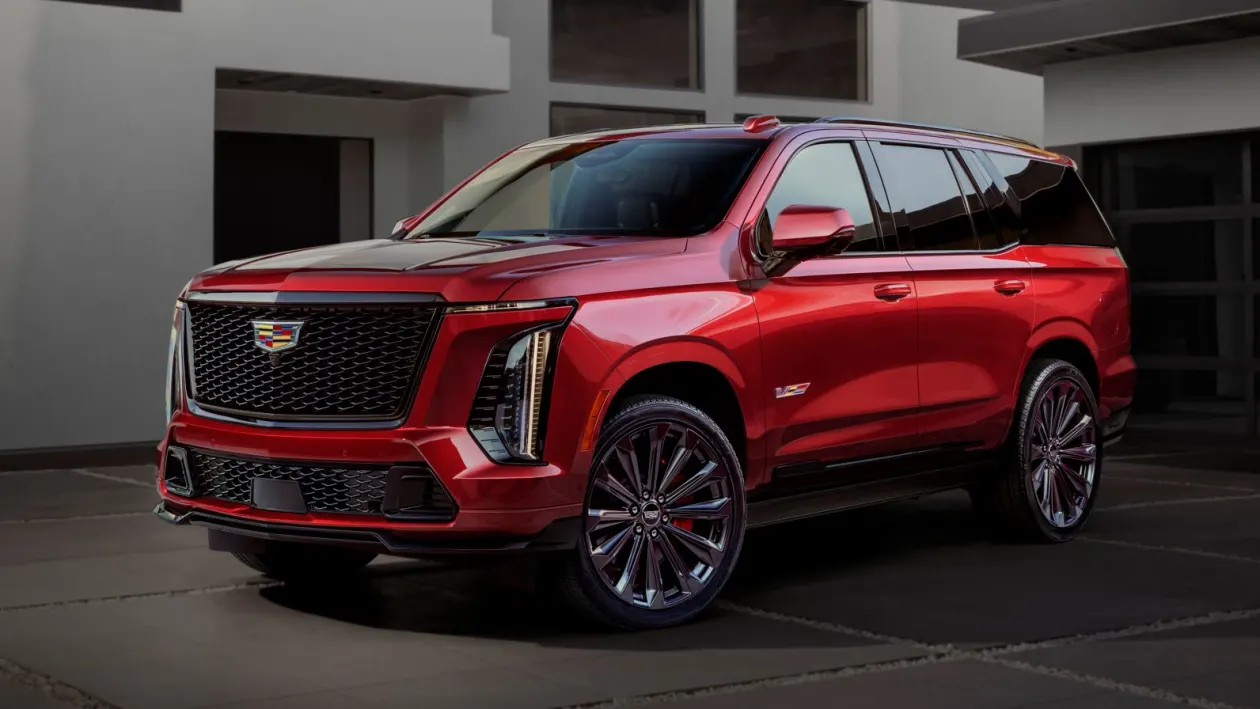
GM revs up gas-powered Cadillacs as EV push takes a backseat
DETROIT: General Motors is hitting the brakes on its all-electric ambitions, announcing plans to roll out a new generation of gas-powered Cadillac models starting next spring. The move marks a significant shift for the luxury brand, which had previously pledged to go fully electric by the end of the decade.
During the company’s second-quarter earnings call on Tuesday, GM CEO Mary Barra confirmed that the upcoming lineup will include refreshed versions of the CT5 sedan, the aging XT5 midsize SUV, and the discontinued three-row XT6 SUV—models that were widely expected to fade out as the company pivoted to battery power.
“Starting next spring and continuing into 2028, we will begin launching the next generation of Cadillac ICE vehicles,” Barra said, noting that these new models will join Cadillac’s existing all-electric crossovers and the iconic Escalade SUV.
The announcement is the latest in a series of pullbacks from GM’s aggressive EV roadmap. The automaker has not only shelved its all-EV deadline for Cadillac but has also dialed back electric plans across other brands while ramping up production of internal combustion engines—including V-8s.
The reversal comes as EV adoption lags behind industry expectations and U.S. regulatory winds shift. Since the second half of last year, GM has booked a staggering $10.9 billion in EV-related charges, citing slower-than-anticipated consumer demand and recent policy changes that have eased emissions standards and pulled back federal support for electric vehicles.
Barra also reaffirmed GM’s commitment to “onshoring significant manufacturing” starting next year, including expanding full-size SUV production to a Michigan plant that was originally slated to build EVs. Currently, the company’s heavy hitters—the Escalade, Chevy Tahoe and Suburban, and GMC Yukon and Yukon XL—are built exclusively at its Arlington Assembly plant in Texas.
With gas-powered Cadillacs back on the drawing board, GM appears to be hedging its bets—keeping one foot in the EV future while planting the other firmly in the profitable present of fossil fuels.