Britain’s signs £8.7 billion deal to keep its submarines running
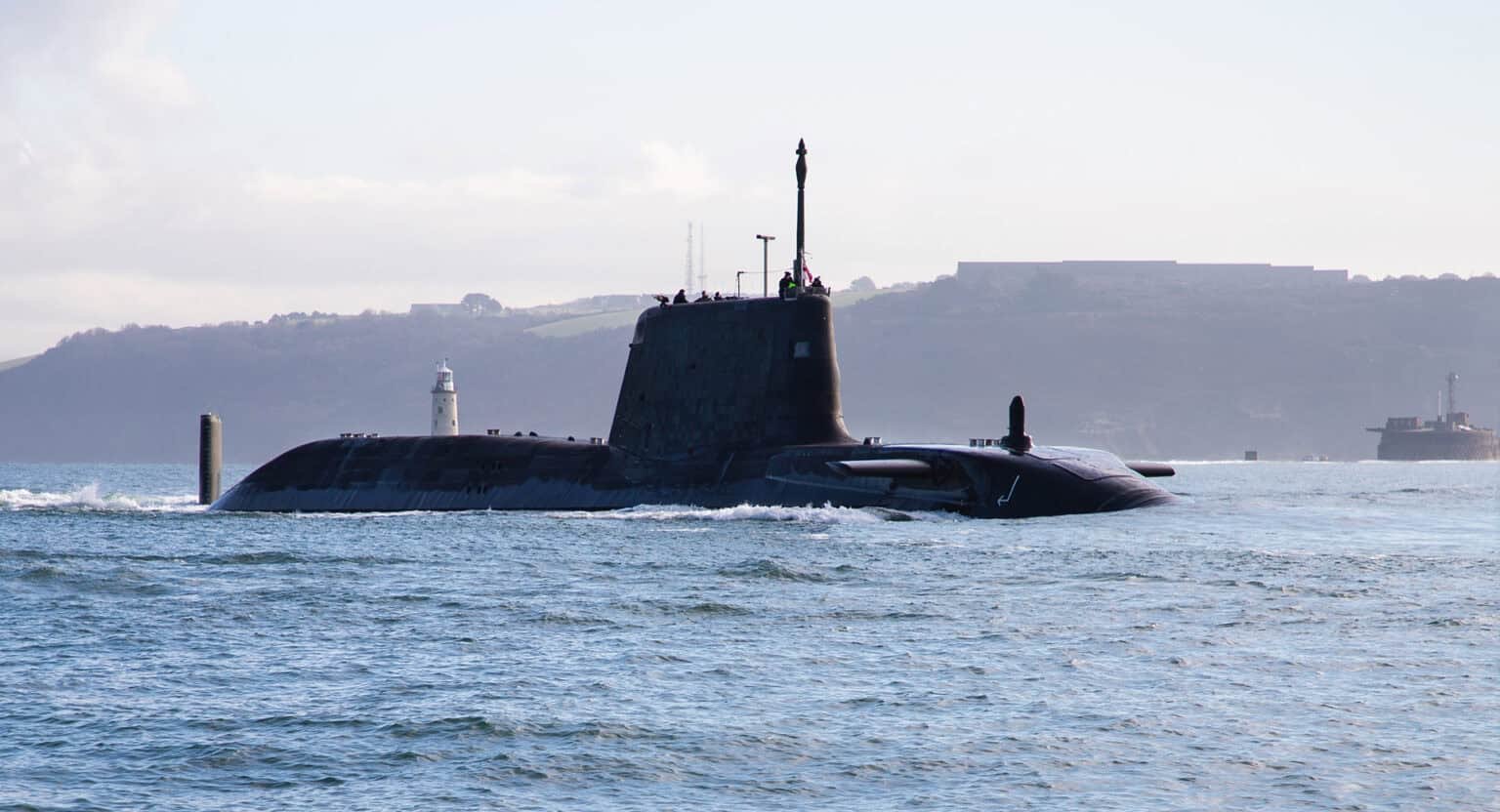
LONDON: Great Britain has signed a deal worth a massive £8.7 billion with Babcock International Group to keep its nuclear submarines running.
Starting December 1, the five-year Gateway Agreement, the largest in Babcock’s history, combines submarine repairs, technical work, and naval base operations at Devonport and Clyde into one single contract, a statement said.
The price tag is huge, and the deal could last up to 15 years. However, the real story goes beyond the money. The UK government is trying to fix slow dockyard repairs while admitting it may take cash from other public departments to pay for it.
A nuclear submarine force only works if the boats are actually out at sea. Defence Secretary Wes Streeting made this clear, stating that the government will move money from other areas if needed to keep the nuclear fleet ready for war. In a tight economy, that means other public services could feel the squeeze.
For years, slow maintenance has kept submarines stuck in port for too long. When repairs drag on, fewer boats are available for patrol. Navy chief General Sir Gwyn Jenkins summed up the main goal: fix the delays, finish repairs faster, and get the submarines back underwater where they belong.
The timing is critical. Britain is in the middle of replacing its old Vanguard submarines with the new Dreadnought class, all while keeping at least one nuclear boat on patrol every single day. By replacing the older, scattered maintenance system with one clear contract, London hopes to avoid costly mistakes during this handover.
Read Also: National Grid Eyes Rs100 Billion Sukuk Without a Government Guarantee
The government is also selling the deal as a major win for workers. The contract protects 8,500 existing nuclear defence jobs at Babcock and adds 3,000 new ones.
Over the next five years, it will also create more than 2,500 spots for apprentices and graduates, bringing over £500 million in value to local communities. Prime Minister Andy Burnham called it a direct investment in both national safety and young workers in places like Plymouth and Clyde.
Still, big contracts do not fix broken parts or train skilled engineers overnight. Alongside the deal, Babcock and the Ministry of Defence are opening new training centres, technical colleges, and supply hubs to build a stronger workforce for the future.
In the end, the true test of this £8.7 billion bill will not be on paper. It will be measured by how quickly Britain’s submarines leave the docks and return to the sea.
London Stock Exchange · #Babcock International #UK Ministry of Defence #Gateway Agreement #nuclear submarines #Royal Navy #UK defence spending #Dreadnought class #Vanguard class #HMNB Devonport #HMNB Clyde #Wes Streeting #Andy Burnham #naval maintenance #defence jobs #UK economy